
Savannah has 22 historic squares scattered throughout its downtown area. These squares were part of the city’s original urban plan, designed to provide green space and community areas. Each square holds its own history and charm, offering a peaceful break for visitors.
What Makes Savannah’s Historic Squares the Green Heart of the City?
Savannah squares shape the heart of this city’s unique charm and history. These 22 green spaces offer quiet places to enjoy towering live oaks, fountains, and monuments that tell stories from the past. Around each square, visitors can see a mix of historic buildings featuring various architectural styles.
For generations, the squares have been places where locals and travelers come together to relax, explore, and experience Savannah’s culture firsthand. Joining one of the many Savannah walking tours or wandering at your own pace lets you connect with the city’s history and beauty in a peaceful setting.
What Was the Vision Behind Savannah’s Original Squares?
James Oglethorpe, Savannah’s founder, planned the city with a smart ward system that balanced defense, community life, and public spaces. Each ward was built around a square, designed to be a central gathering spot for residents. These squares provided green space, places for meetings, markets, and social events, helping foster a tight-knit community from the very beginning. The original four squares — Johnson Square, Wright Square (then called Percival Square), Ellis Square (once Decker Ward), and Telfair Square (previously St. James Square) — laid the groundwork for Savannah’s distinctive city plan.
As the city grew, more squares were added to meet the needs of an expanding population. Each new square reflected changes in Savannah’s social and architectural styles while maintaining the original spirit of community and openness.
Today, Savannah squares remain an important part of the city’s identity and are key highlights on Savannah walking tours. Together, they show how Oglethorpe’s vision shaped one of the most walkable and charming cities in America.

What Makes Savannah Squares So Special?
The Types of Architecture
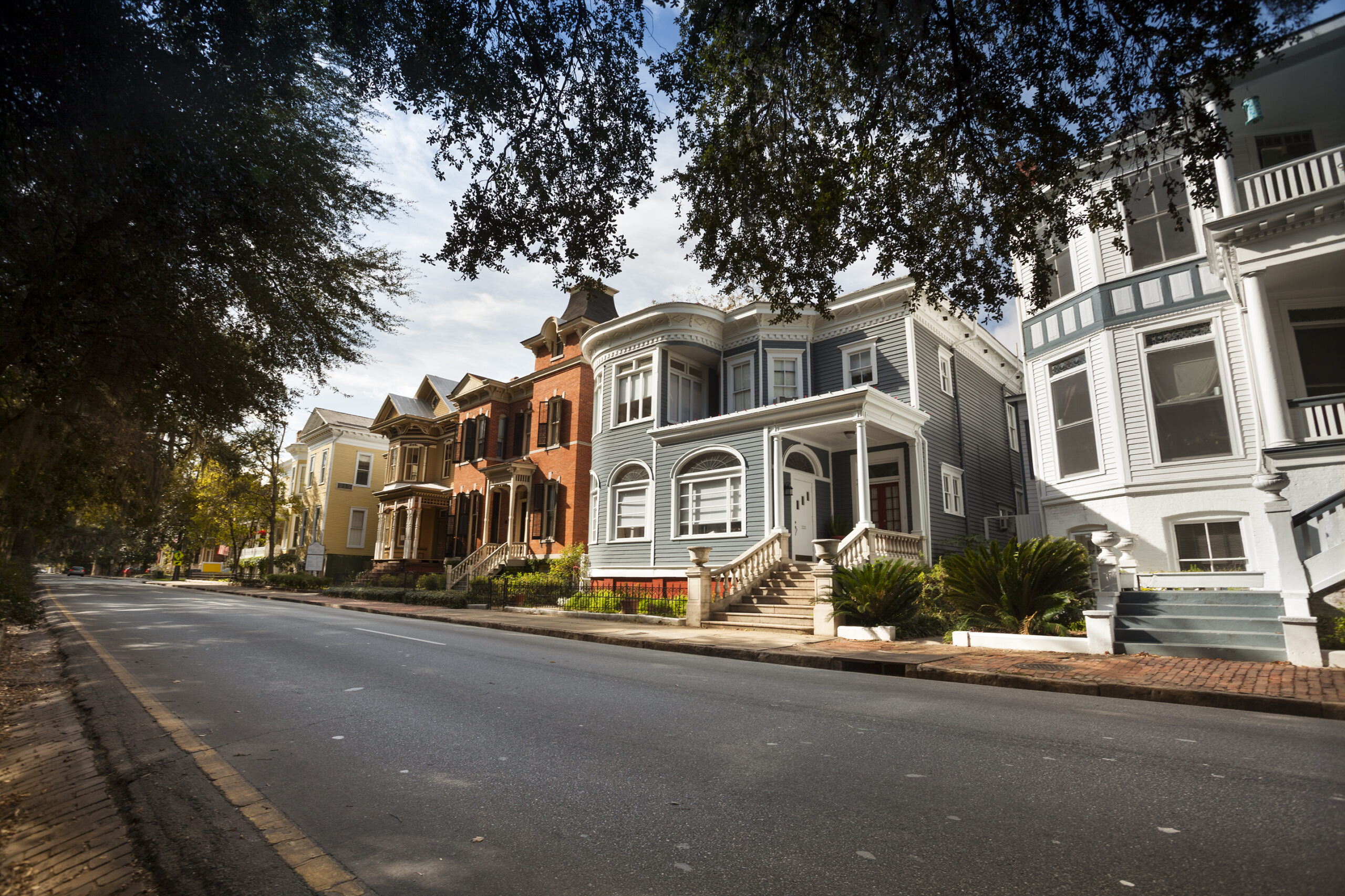
Savannah’s historic squares serve as distinct anchors for the city’s architectural evolution, with each square hosting a unique blend of styles. Reynolds Square is home to The Olde Pink House, a classic example of Georgian symmetry, while nearby Columbia Square features the Davenport House, which bridges Georgian and Federal styles with its clean lines. This square also boasts the Kehoe House, a standout representative of the Victorian era.
Moving toward the center of the city, Chippewa Square is defined by the Greek Revival grandeur of the Independent Presbyterian Church, a style echoed in Madison Square by the imposing columns of the Sorrel-Weed House.
The architectural landscape shifts as you move toward Lafayette Square, which features the pointed arches of the Gothic Revival Cathedral Basilica of St. John the Baptist alongside the ornate Italianate details of the Andrew Low House. Monterey Square continues this eclectic mix, housing both the Gothic Revival Congregation Mickve Israel and the famous Italianate Mercer-Williams House. Finally, the refined elegance of the Regency style is showcased through the Telfair Academy in Telfair Square and the Owens-Thomas House in Oglethorpe Square, rounding out the city’s diverse historical tapestry.
The Natural Beauty
Savannah squares are full of natural beauty that makes each one special. Tall live oak trees with soft Spanish moss hanging from their branches create a calm and almost magical feeling. Well-kept gardens show off bright seasonal flowers and green plants, giving colorful spots to enjoy or take pictures of. Many squares have pretty fountains, like the German Memorial Fountain in Orleans Square, which serves as a dedication to the city’s German immigrants. Old statues and monuments in the squares help visitors connect with Savannah’s long history while surrounded by nature. These green areas invite you to slow down and enjoy the peaceful beauty that has been kept for hundreds of years.
What Are the Best Ways To Explore Savannah Squares?
Savannah squares are best experienced by getting up close and personal with the city’s history and charm. Guided walking tours offer expert insights, with friendly local guides sharing stories and details that bring the squares and surrounding architecture to life. These tours are great for visitors who want to learn while strolling at a comfortable pace.
For those who prefer to explore on their own schedule, self-guided tours provide the freedom to wander through the squares at your own pace. Maps and apps make it easy to discover hidden corners and soak in the atmosphere without feeling rushed.
Another popular way to see the squares includes hopping aboard the Old Town Trolley Tours®. These branded tours provide a relaxing ride with live narration from knowledgeable conductors, allowing you to enjoy the sights from comfortable all-weather vehicles. This makes it easy to cover more ground while still experiencing the rich history of the Savannah squares.
Carriage rides offer a more traditional and romantic way to experience the squares. Sitting back in a horse-drawn carriage lets you take in the beauty and stories of Savannah’s historic district while enjoying a slower pace through these green spaces. This option is perfect for those looking to soak in the charm with a bit of old-world flair.
Which Savannah Squares Are Can't-Miss?
Savannah’s historic squares each have their own charm, and some are especially worth visiting during your trip.
- Forsyth Park is a top spot for locals and tourists alike. Spanning nearly 30 acres, it features majestic live oaks, shaded walking paths, and the famous Forsyth Fountain. The park regularly hosts farmers markets, concerts, and community events, making it a lively place to relax and enjoy Savannah’s atmosphere.
- Chippewa Square is well known for its role in the movie Forrest Gump, where the famous bench scene was filmed. The square is surrounded by beautiful old buildings and large trees covered with Spanish moss. This square also offers a quiet retreat with a monument dedicated to James Oglethorpe, Savannah’s founder.
- Madison Square is stunning and includes a monument for Sergeant William Jasper, a Revolutionary hero and a key figure in the Siege of Savannah.
- Lafayette Square invites visitors to pause and enjoy its shaded benches and green spaces. Historic homes and churches frame this peaceful spot. Here is where you’ll find the Andrew Low House and Cathedral Basilica of St. John the Baptist.
- Wright Square is one of the city’s oldest squares, featuring monuments honoring important figures such as Tomochichi, a Native American leader who played a key role in Savannah’s early days.
- Johnson Square is the oldest square in Savannah. Originally used as a military parade ground, it still serves as a central gathering place, surrounded by a striking monument to Nathanael Greene.
- Colonial Park Cemetery, while not a traditional square, remains a vital part of Savannah’s history. Established in 1750, it features old gravestones, towering live oaks, and quiet walking paths that tell the story of the city’s colonial past.

What Other Savannah Squares Should Be on Your Itinerary?
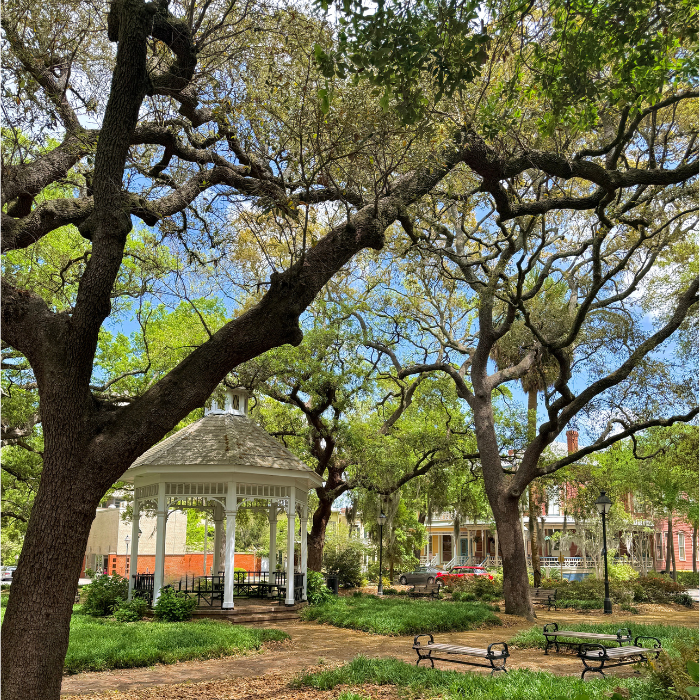
Beyond the well-known spots, Savannah’s squares offer plenty of peaceful and scenic places to discover. Whitefield Square is a quieter area that lets visitors enjoy the calm charm of the city’s residential Historic District. This square features a distinctive Victorian-style gazebo at its center and plenty of shady trees, perfect for a calm break. Nearby, beautiful historic homes and the iconic First African Baptist Church reflect the city’s deep cultural and artistic spirit. It’s an ideal spot for a relaxed stroll or picnic away from the busy tourist paths.
Orleans Square is famous for its impressive central fountain surrounded by lush landscaping and oak trees draped in Spanish moss. The square is framed by stunning examples of historic Savannah architecture, including the Harper Fowlkes House and elegant churches. Visitors appreciate the peaceful atmosphere, especially during early morning or late afternoon light. Community events often bring a friendly neighborhood vibe here.
Monterey Square, home to the historic Mercer Williams House, draws those interested in architecture and local stories. Its well-kept gardens, classic lampposts, and benches create a charming place to pause and take in the surroundings. This square is rich with history and lore, making it a favorite for photographers and history buffs exploring Savannah walking tours.
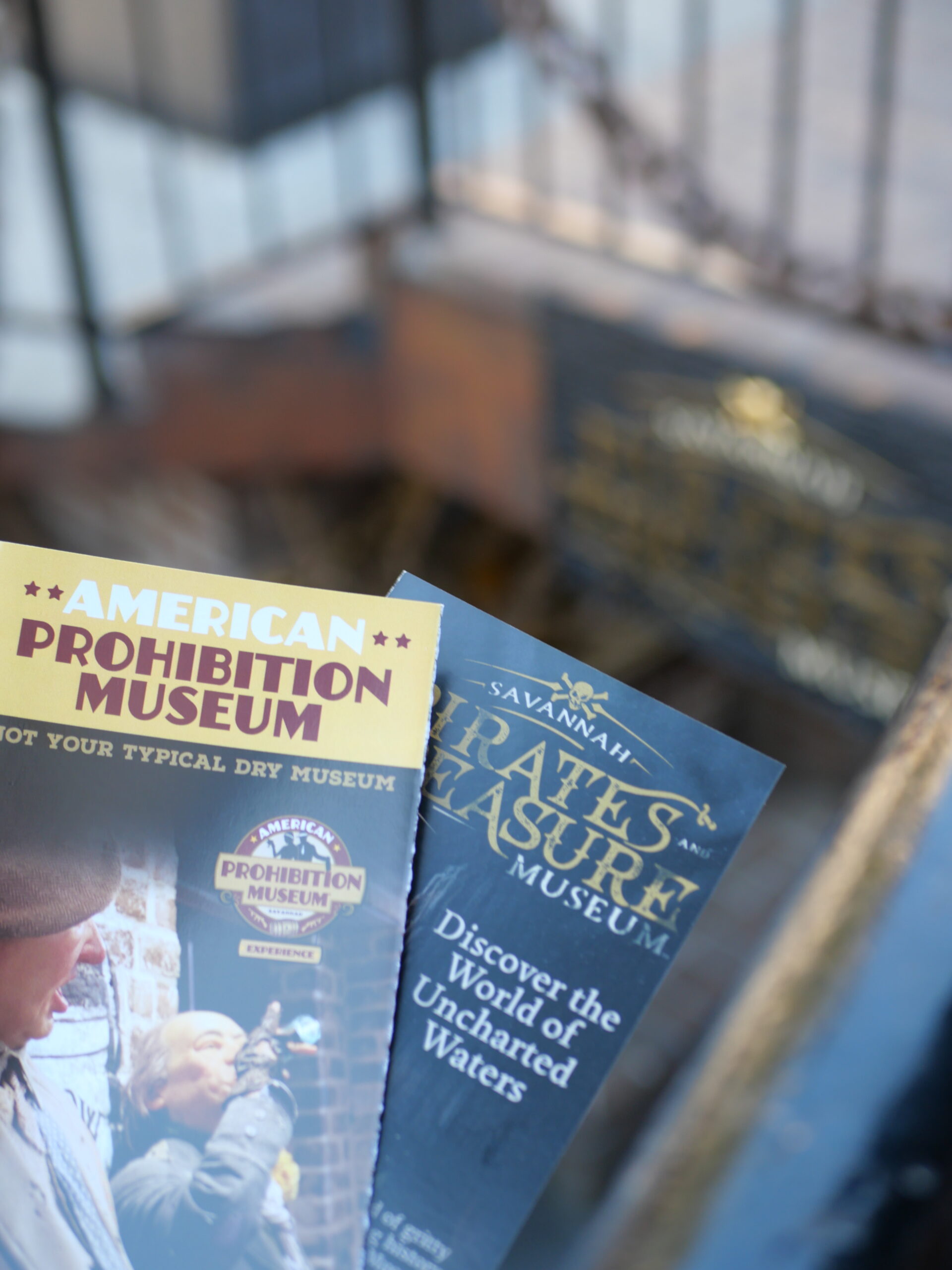
Ellis Square is also in the heart of the northern Historic District and is near some of the city’s best museums, including the Savannah Pirates and Treasure Museum® as well as the American Prohibition Museum®.
What Are the Best Tips for Visiting Savannah’s Squares?
To enjoy Savannah squares at their most beautiful and peaceful, plan your visit for early morning or late afternoon when the soft light is perfect for photos and the crowds are smaller. Spring and fall offer comfortable weather and blooming flowers that add to the charm of these green spaces. Midday summer can get hot and crowded, so it’s best to avoid those hours.
These public spaces are treasured by both locals and visitors, so be sure to clean up after yourself to help keep the parks looking their best. Stick to the paths, respect any posted signs or event boundaries, and keep noise to a minimum so everyone can enjoy the calm atmosphere. When community events are happening, watch respectfully or join in to experience Savannah squares like a local.
More Savannah Attractions and Things To Do
-
- Juliette Gordon Low Birthplace
The Juliette Gordon Low Birthplace is a beautifully restored home where visitors learn about the founder of the Girl Scouts of the USA. The museum offers guided tours that share stories about Low’s life and the early days of the scouting movement. The house itself reflects early 19th-century architecture and décor, giving insight into Savannah’s historical lifestyle. It’s a great stop for families and anyone interested in American history. - Ships of the Sea Maritime Museum
Housed in the stunning William Scarbrough House, the Ships of the Sea Maritime Museum brings Savannah’s rich naval history to life. Visitors can explore detailed ship models, historical paintings, and nautical artifacts that tell stories of the city’s seafaring past. The museum also highlights Savannah’s role in the Civil War and maritime trade. The Greek Revival architecture and lush gardens surrounding the museum add to its charm. - City Market
City Market is a lively hub where art, food, and music come together in Savannah’s Historic District. The open-air courtyards are filled with galleries, shops, and restaurants offering local cuisine and handmade goods. Street performers add energy and entertainment as you browse or relax with a meal. City Market is perfect for picking up unique souvenirs and experiencing local culture in a vibrant setting. - River Street Shops
Along the cobblestone River Street, visitors can explore a variety of shops offering everything from handcrafted jewelry to local art. The waterfront location provides scenic views of the Savannah River and passing boats. Several eateries and cafes offer fresh seafood and sweet treats like pralines. The street comes alive in the evenings with live music and a festive atmosphere. - Mrs. Wilkes Dining Room
Mrs. Wilkes Dining Room offers a taste of traditional Southern cooking served family-style in a historic Savannah home. Diners share tables and enjoy dishes like fried chicken, collard greens, and cornbread made from recipes passed down through generations. The restaurant’s cozy atmosphere and authentic flavors make it a must-visit for food lovers exploring Savannah. - Savannah Pirates and Treasure Museum®
The Savannah Pirates and Treasure Museum® dives into the city’s seafaring past with authentic artifacts, captivating stories, and a closer look at the Golden Age of Piracy. Learn about the real pirates who once prowled the Georgia coast and explore their legacy through detailed exhibits and historical treasures. Designed for explorers of all ages, the museum lets you move at your own pace as you uncover the hidden history behind Savannah’s maritime roots. Located just off River Street, it’s a fun and fascinating stop for families and history lovers alike. - American Prohibition Museum®
Step into the 1920s at the American Prohibition Museum®, which vividly captures the era when alcohol was banned across the country. Visitors can explore recreated speakeasies, moonshine stills, and learn about the social and political forces behind Prohibition. Authentic artifacts and interactive displays make history come alive in this unique Savannah museum. It is both educational and entertaining for visitors of all ages. Just upstairs at 220 W Congress Street, Congress Street Up serves cocktails inspired by 1920s mixology. Visitors also enjoy their fun cocktail classes, where you can learn to make classic drinks in a true speakeasy setting. Check the schedule and plan accordingly. Spots go quickly and all the goons love their giggle water.
- Ghost Hunters of Savannah® Paranormal Investigation
Ghost Hunters of Savannah® offers guided paranormal investigations for those wanting a hands-on experience with the city’s spooky side. Get hands-on with the latest ghost hunting equipment and search for evidence of spirits in one of Savannah’s most haunted locations. This tour blends history with the thrill of ghost hunting, making it a standout among Savannah’s ghost city tours. It is best suited for visitors who want more than storytelling and are ready for a real spine-tingling adventure.
- Juliette Gordon Low Birthplace

Why Are Savannah Squares So Important To Explore?
Savannah’s charm is deeply tied to its iconic squares, each offering a unique mix of history, architecture, and natural beauty. Visiting these squares offers a glimpse into Savannah’s rich heritage and community spirit, making them a must-see for any traveler.
FAQs
Johnson Square is often considered the most famous of the Savannah squares. It is the oldest square, established in 1733, and serves as a central hub for many Savannah walking tours. Its historical significance and surrounding architecture make it a highlight for visitors.
Yes, the squares are very walkable and are best enjoyed on foot. Many guided Savannah walking tours focus on these green spaces, allowing visitors to soak in the beauty and history at a relaxed pace. Walking between the squares provides a real feel for Savannah’s unique city layout.
Around the Savannah squares, you’ll find a range of architectural styles, including Georgian, Federal, Greek Revival, Gothic Revival, Italianate, Regency, and Victorian. These buildings tell stories of the city’s past and add to the charm of each square.
Yes, Forsyth Park hosts a farmers market every Saturday. It is a popular event where locals and visitors gather to buy fresh produce, handmade goods, and live music, making the park a lively community hub beyond its historical and natural beauty.