There are plenty of amazing landmarks to see in Savannah. Forsyth Park is a peaceful spot with old oak trees and gardens. The Cathedral Basilica of St. John the Baptist stands out with its beautiful design. The Mercer-Williams House shows off classic architecture. Museums like the Savannah Pirates & Treasure Museum and the American Prohibition Museum® are perfect for solo travelers, groups, or families. Don’t miss River Street and City Market for shopping, food, and music.
What Makes Savannah a Top Destination for Travelers and Families?
Savannah, GA, stands out for its mix of historical charm, beautiful riverfront views, and attractions that welcome visitors of all ages. This guide highlights some of the best Savannah attractions, blending history with fun experiences. It’s designed to help you plan a visit that captures the unique spirit of this Southern city.

Why Visit the Cathedral Basilica of St. John the Baptist Among Savannah Attractions?
The Cathedral Basilica of St. John the Baptist has a history that dates back to the late 1700s, when French Catholic émigrés fleeing the Haitian and French Revolutions founded Savannah’s first Catholic parish near Liberty Square in 1799. The original church was a modest frame building dedicated in 1839 by Bishop John England and became the seat of the Diocese of Savannah when it was established in 1850.
Located in the heart of Savannah’s Historic District, the cathedral is a standout among Savannah attractions for both its spiritual significance and architectural beauty. The current building, designed by Ephraim F. Baldwin and constructed beginning in 1873, features elegant Italian marble altars crafted by Baldwin & Price of Baltimore. Twin spires added in 1896 give the cathedral one of Savannah’s most recognizable silhouettes.
A devastating fire in 1898 destroyed much of the interior, but the congregation rebuilt quickly, reopening by Christmas 1899 with full reconstruction completed in 1900. Later restorations updated stained glass, structure, and colors throughout the 20th century. In 2020, Pope Francis elevated the cathedral to minor basilica status, highlighting its continuing importance in Savannah’s cultural and religious life.
Things to do at The Cathedral Basilica of St. John the Baptist:
- Attend daily or weekend Mass services.
- Admire stained-glass windows from the early 1900s.
- Photograph the twin spires from Lafayette Square.
- Walk through detailed murals and painted ceilings.
- Observe hand-carved Stations of the Cross.
- Visit the marble altar and tabernacle.
- Take a self-guided tour during open hours.
- Browse the gift shop near the entrance.
- Light a candle in the devotional area.
- Listen to pipe organ recitals or services.
- Visit during the Christmas season for special decorations.
What Makes Forsyth Park a Must-See Among Savannah, GA Attractions?
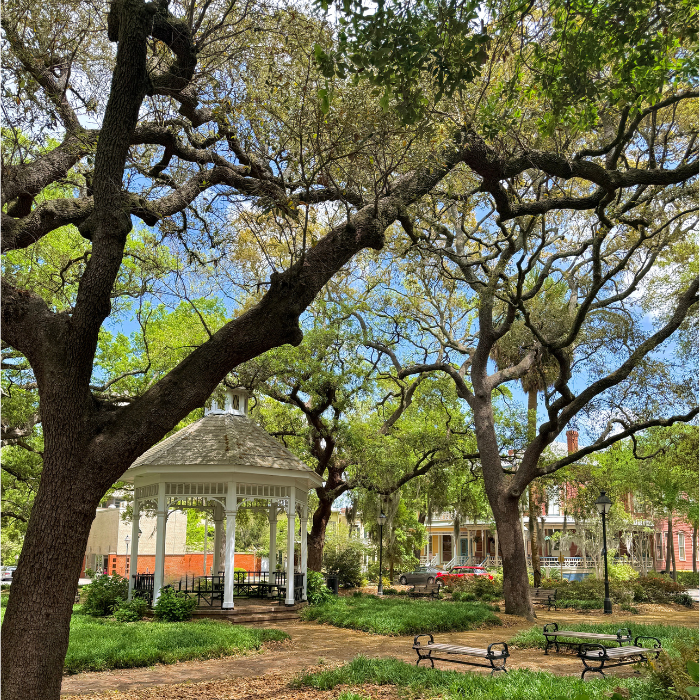
Forsyth Park is a central green space spanning nearly 30 acres in the heart of Savannah’s Historic District. Originally laid out in the 1840s on land that once served as a military parade ground, it now serves as a peaceful retreat for both locals and visitors. The park offers shaded walking paths under century-old live oaks draped with Spanish moss, open lawns for relaxing, and the popular Garden of Fragrance for a sensory experience.
At the north end of the park stands the Forsyth Fountain, one of Savannah’s most photographed landmarks. The park remains a favorite spot to stroll, picnic, and enjoy seasonal events.
Visitors exploring Savannah attractions will find that Forsyth Park offers a variety of activities and a welcoming atmosphere that reflects the city’s laid-back charm.
Things to do at Forsyth Park:
- Walk beneath century-old live oaks draped with Spanish moss.
- Visit the Spanish-American War Monument located near the south end of the park.
- See the iconic Forsyth Fountain (currently under renovation).
- Relax on the open lawn.
- Visit the Farmers’ Market on Saturdays.
- Experience the Garden of Fragrance.
- Let children play at the playground.
- Listen to live music or watch local performers.
- Attend annual events and festivals.
- Watch the sunset from one of the park’s benches.
Why Should the Savannah Pirates and Treasure Museum® Be on Your List of Savannah, GA Attractions?
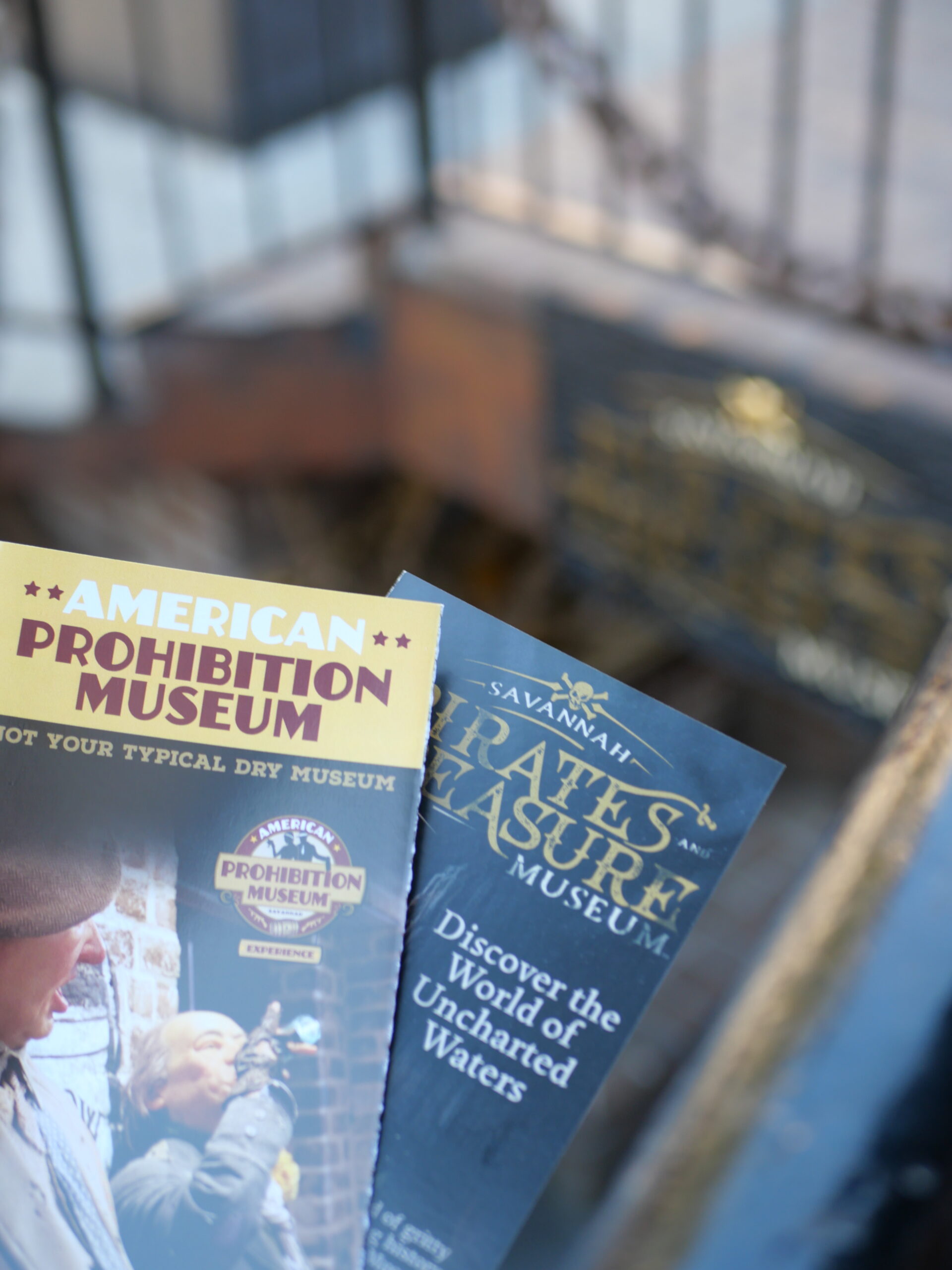
The Savannah Pirates and Treasure Museum® offers a unique journey into the history of piracy. Located in City Market, this museum brings the Golden Age of Piracy to life with authentic artifacts, interactive exhibits, and engaging storytelling. Visitors of all ages can explore real shipwreck treasures, period-accurate weapons, and navigational tools similar to those used by legendary pirates like Blackbeard and Anne Bonny.
This indoor attraction is perfect for families and history enthusiasts looking for an educational yet fun experience among Savannah attractions. The museum features pirate-themed displays and multimedia presentations that capture the spirit of life at sea during the 17th and 18th centuries. Visitors can also learn about maritime law, how pirates navigated the seas, and the myths versus realities of pirate life. The museum’s engaging exhibits provide a rich experience that brings history to life beyond traditional displays.
Things to do at the Savannah Pirates and Treasure Museum:
- View real artifacts from shipwrecks and pirate vessels.
- Try interactive exhibits designed for both kids and adults.
- Learn stories about famous pirates and maritime law.
- Test your skills with hands-on treasure hunts.
- Watch short films about pirate legends.
- Take photos with themed props and backdrops.
- Browse the gift shop for pirate-themed souvenirs.
- Grab a drink at the Pirates Tavern on-site.
- Check event schedules for special talks and programs.
What Makes River Street a Must-Visit Among Savannah, GA Attractions?
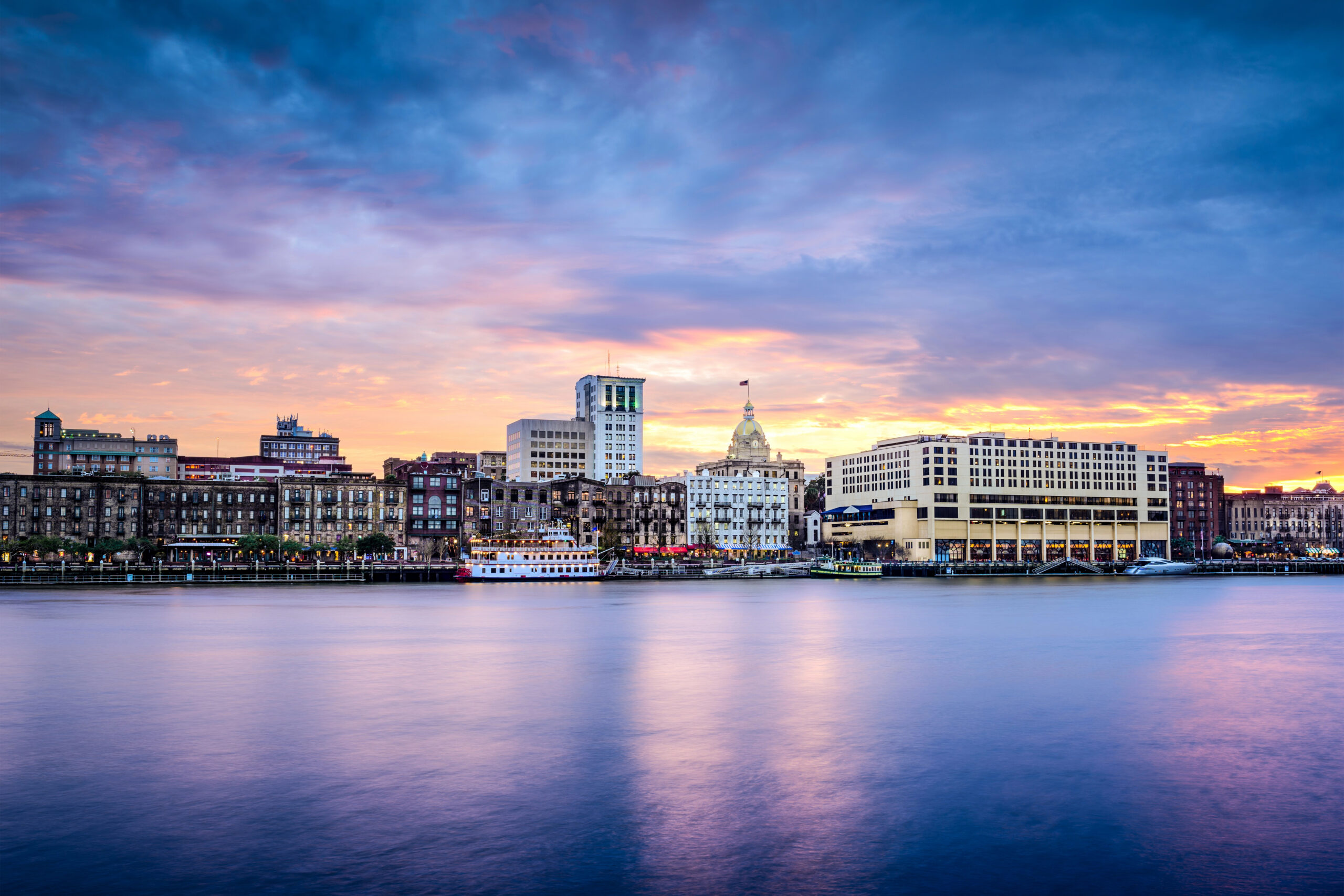
River Street stretches along the bluff of the Savannah River, where Georgia’s colonial history began in 1733. Once lined with simple wooden warehouses and timber wharves, the area quickly developed into a busy center for cotton export. In 1834, workers paved the street with ballast stones, rocks discarded from incoming ships, creating the cobblestone paths that remain today. Above the river, brick warehouses rise four to five stories high and connect to Bay Street by iron walkways called Factors Walk, where cotton brokers carried out their business. Some buildings also served as holding areas for enslaved Africans, reminding visitors of a difficult chapter in Savannah’s history.
By the mid-1900s, River Street’s industrial importance faded after the Georgia Ports Authority moved operations upriver and the last cotton office closed in 1956. A revitalization effort in 1977 transformed the area’s empty warehouses into restaurants, shops, and galleries. Today, River Street offers a lively atmosphere that combines shopping, dining, and local art while preserving its historical character.
Things to do at River Street:
- Walk along the well-preserved cobblestone promenade.
- Watch cargo ships and river traffic on the Savannah River.
- Browse unique boutiques and artisan shops.
- Explore the River Street Market Place for local goods.
- Enjoy fresh seafood at waterfront restaurants.
- Sample traditional pralines and sweets from candy stores.
- Discover bronze statues and plaques that tell the area’s story.
- Listen to live music from talented street performers.
- Relax at outdoor patios with river views.
- Take a narrated riverboat cruise to see Savannah from the water.
- Visit galleries showcasing local artists’ work.
- Attend seasonal celebrations, including fireworks shows.
- Watch stunning sunsets from riverside benches.
What Makes Wormsloe Historic Site a Standout Among Savannah, GA Attractions?
Wormsloe Historic Site dates back to the 1730s when Noble Jones, an English settler who arrived with James Oglethorpe in 1733, claimed land on Isle of Hope. Between 1739 and 1745, Jones built a fortified tabby house made from oyster-shell concrete overlooking Skidaway Narrows. This garrison helped protect the Georgia colony from Spanish threats. Jones served in many roles, including surveyor, marine captain, and doctor, and played a part in defending Frederica during the War of Jenkins’ Ear.
Visitors enter through a famous miles-long avenue lined with towering live oaks draped in Spanish moss, planted by Jones’ descendants in the late 1800s. The Jones-De Renne family expanded the property over the years, adding a Classical Revival library in 1907 and opening a tourist garden in the 1920s. The State of Georgia took stewardship in 1973 and opened Wormsloe to the public in 1979. Today, Wormsloe stands as one of the most memorable Savannah attractions, offering a unique glimpse into Georgia’s colonial history and the natural beauty that defines this part of the state.
Things to do at Wormsloe Historic Site:
- Walk through the iconic live oak avenue at the entrance.
- Visit the tabby ruins of the colonial estate.
- Stop by the museum for historical context and exhibits.
- Hike nature trails through forest and marsh areas.
- Watch living-history demonstrations on select days.
- Take photos at scenic viewpoints across the property.
- Attend annual events showcasing colonial life.
- Browse the small gift shop for books and souvenirs.
- Join ranger-led tours or educational programs.
- Observe local wildlife along the trails.
- Learn about Georgia’s early settlers and defensive history.
- Picnic at designated outdoor areas.

What Makes Old Fort Jackson a Must-See Savannah, GA Attraction?
Old Fort Jackson stands like a silent sentinel on the Savannah River, guarding the city’s history with its thick brick walls and earthen ramparts. Built between 1808 and 1812, this fort was designed by William McRee, a West Point graduate, to protect Savannah’s riverfront from naval attacks during the War of 1812. Its sturdy construction reflects the military engineering of the era, built to withstand cannon fire and enemy advances.
During the Civil War, Fort Jackson served as one of the main defenses for Savannah against Union naval forces. When General Sherman’s troops captured the city in 1864, the fort fell with little resistance. Over time, the site was renamed Fort Oglethorpe but restored to its original name in the early 1900s. Purchased by the city in 1924 and carefully restored in the 1970s, the fort now belongs to the Coastal Heritage Society. It remains Georgia’s oldest brick fortification and one of the rare places where you can still hear the boom of live cannon firings that bring history vividly to life.
Things to do at Old Fort Jackson:
- Walk along the original brick walls and earthen ramparts that have stood for more than two centuries.
- Watch authentic cannon firing demonstrations that recreate 19th-century military life.
- Explore displays of period uniforms, weapons, and military gear that tell stories of the past.
- Read detailed signs that explain the fort’s role in Savannah’s defense during key American wars.
- Attend reenactments and special events that offer a glimpse into soldier life at the fort.
- Take in scenic views of the Savannah River from strategic lookout points.
- Tour the restored officer’s quarters and other interior rooms when open to the public.
- Visit the small museum on-site to deepen your understanding of the fort’s history.
- Capture photos of the fort’s historic brickwork and impressive cannons.
- Learn about Fort Jackson’s involvement in both the War of 1812 and the Civil War.
- Join guided tours for extra insight into the site’s significance.
- Let kids enjoy interactive exhibits designed to engage young visitors.
- Browse the gift shop for books, souvenirs, and local crafts.
Why Should Colonial Park Cemetery Be on Your List of Savannah Attractions?
Established in 1750, Colonial Park Cemetery served as the primary burial ground for Savannah’s Christ Church Parish before opening to all city residents. It contains the remains of nearly 9,000 individuals, including founding colonists and Revolutionary War heroes like Button Gwinnett and Nathanael Greene. Burials ended in 1853, and in 1896, the site became a public park maintained by the Daughters of the American Revolution.
During General Sherman’s 1864 March to the Sea, Union soldiers camped here. Some sharpened their bayonets on gravestones, and others used vaults for shelter. Marks of these actions remain visible on some stones today. The cemetery’s winding paths lead through aged monuments and towering live oaks draped with Spanish moss. This peaceful space offers a chance to reflect on Savannah’s rich colonial history, wartime struggles, and public health developments, making it a meaningful stop among Savannah, GA, attractions and Savannah attractions.
Things to do at Colonial Park Cemetery:
- Walk among grave markers dating back to the 1700s.
- Read the headstones of early settlers and prominent figures.
- Explore the dueling grounds marked within the cemetery.
- Visit Button Gwinnett’s tomb, a signer of the Declaration of Independence.
- Notice the evolution of gravestone designs over time.
- Follow self-guided paths shaded by mature trees.
- Learn from historical plaques and interpretive signs around the grounds.
- Join history or ghost tours during the day for deeper stories.
- Capture photos of weathered stone walls and decorative wrought-iron gates.
- Relax on benches tucked beneath moss-covered oaks.
Why Visit Telfair Academy in Savannah’s Historic Landmark District?
Telfair Academy began as the townhouse of Alexander Telfair, son of Georgia Governor Edward Telfair, around 1818. Designed by English architect William Jay in the Regency style, this brick and stucco mansion features an elegant four-column portico and unique rooms, including a round-ended dining room and an octagonal drawing room. The home stands on the site of the former colonial governor’s residence and has played a key role in shaping Savannah’s architectural heritage since the early 19th century.
In 1875, Alexander’s sister, Mary Telfair, bequeathed the mansion, its furnishings, and the family art collection to the Georgia Historical Society. Following renovations led by Architect Detlef Lienau, the house opened in 1886 as the Telfair Academy of Arts and Sciences. It holds the distinction of being the oldest public art museum in the South and one of the first 10 in the United States.
Today, Telfair Academy remains a cultural highlight in Savannah. It’s a standout among Savannah, GA, attractions and Savannah attractions, drawing visitors interested in art, history, and architecture. The museum’s extensive collection spans American and European art, with rotating exhibitions that offer fresh perspectives throughout the year.
Things to do at Telfair Academy:
- Walk through period rooms in the 19th-century mansion.
- View collections of American and European artwork, including paintings, sculptures, and decorative arts.
- Visit the sculpture gallery showcasing classical works.
- Notice original architectural details designed by William Jay.
- Learn about the Telfair family and the museum’s founding through informative displays.
- Join guided or self-guided tours to explore at your own pace.
- Attend rotating exhibitions and special art shows that highlight local and international artists.
- Browse historical paintings and decorative arts reflecting Savannah’s cultural heritage.
- Take photos of the mansion’s neoclassical exterior and elegant courtyard.
- Read interpretive panels that explain the museum’s significance within Savannah’s historic landmark district.
- Shop for unique art-related items and souvenirs in the museum store.
- Use combination tickets to visit nearby Telfair sites such as the Owens-Thomas House and Jepson Center.
- Relax in the peaceful courtyard or garden area, perfect for a quiet break.
- Observe seasonal or temporary art installations that bring new life to the galleries.
- Listen to staff talks or scheduled presentations that provide deeper insight into featured works.

What Makes City Market a Must-See in Savannah, GA?
City Market has been a cornerstone of Savannah’s community since 1733, when a simple wooden market stood near what is now Ellis Square. It served as a gathering place for local farmers and merchants in the young colonial village. After the Great Savannah Fire of 1820 destroyed the original building, a single-story shed with brick pillars and open-air stalls was built to support poultry and seafood sales.
In 1876, Architects Augustus Schwaab and Martin Phillip Muller designed a Romanesque brick building featuring arched windows and improved ventilation. This design was praised by Mayor Screven as ideal for a clean and airy market. Though the City Market building survived the Civil War and the 1896 hurricane, it was demolished in 1954 to make room for a parking garage. This demolition helped inspire the creation of the Historic Savannah Foundation.
After the parking garage was removed in 2006 and Ellis Square was restored in 2010, the current City Market took shape. Today, it is a four-block pedestrian-friendly area filled with art galleries, shops, and dining options. It remains a lively part of Savannah, GA, attractions and a favorite spot among Savannah attractions, combining history with modern-day culture.
Things to do at City Market:
- Walk through open-air courtyards and historic buildings that reflect Savannah’s past.
- Browse local art galleries and studios showcasing regional artists.
- Shop for handmade crafts, unique souvenirs, and gifts.
- Dine at restaurants offering indoor and outdoor seating for a variety of tastes.
- Try local treats at bakeries and sweet shops.
- Enjoy live music and performances from talented street musicians.
- Visit boutique stores featuring distinctive and handcrafted items.
- Stop by the nearby American Prohibition Museum® for a taste of history.
- Visit the Savannah Pirates and Treasure Museum to explore real artifacts and legendary tales from the Golden Age of Piracy.
- Step into Congress Street Up, a 1920s-inspired speakeasy serving classic cocktails in an intimate Prohibition-era setting.
- Take photos of restored facades, historic signage, and colorful street scenes.
- Sit at café tables to watch the lively flow of people passing through.
- Join walking tours that include stops at City Market’s highlights.
- Attend seasonal events and pop-up markets featuring local vendors.
- Discover sculptures and public art installations scattered throughout the area.
- Visit during the evening for live entertainment and a lively atmosphere.
- Use City Market as a convenient starting point for exploring Savannah’s Historic District.
Plan Your Visit Around the Best Savannah Attractions
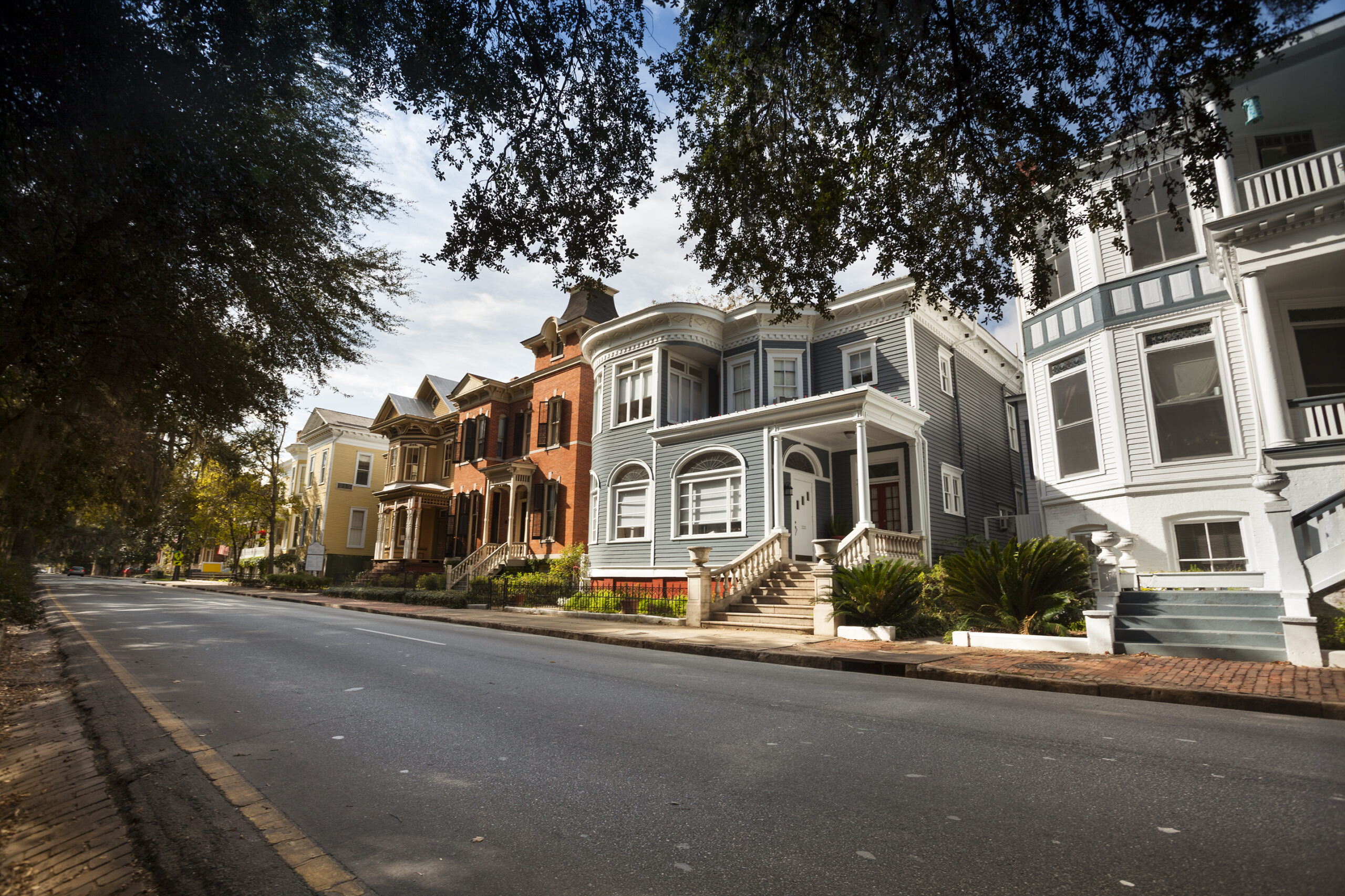
Savannah is full of history, culture, and fun things to do that make it a favorite spot for visitors. The city’s Historic Landmark District shows off its rich past and Southern charm. From strolling under the big oak trees in Forsyth Park to checking out cool museums like Telfair Academy, Savannah has Savannah, GA, attractions for everyone. You can enjoy tours, river walks, and places that bring the city’s story to life. It’s a city that leaves a lasting impression on all kinds of travelers.
FAQs
Savannah is famous for its historic landmark district filled with cobblestone streets, pretty squares, and old Southern homes. The city’s history, from colonial times to the Civil War, shapes its character. The riverfront mixes old warehouses with modern restaurants and shops. Savannah also has a lively arts scene, great food, and spooky ghost tours. All of this makes Savannah a top place for Savannah, GA attractions.
Two to three days is a good amount of time to see Savannah’s main attractions. You’ll have time to visit Forsyth Park, the Cathedral Basilica, Telfair Academy, and enjoy River Street. If you have more time, you can explore neighborhoods, historic homes, and places like Wormsloe or Old Fort Jackson. Planning your visit based on what you like helps you get the most out of Savannah’s many Savannah attractions.
Spring and fall are the best times to visit because the weather is nice and the gardens are in bloom. These seasons are great for walking tours, festivals, and riverfront fun. Summer can get hot and humid but has plenty of events. Winter is mild and quieter, with special holiday decorations.