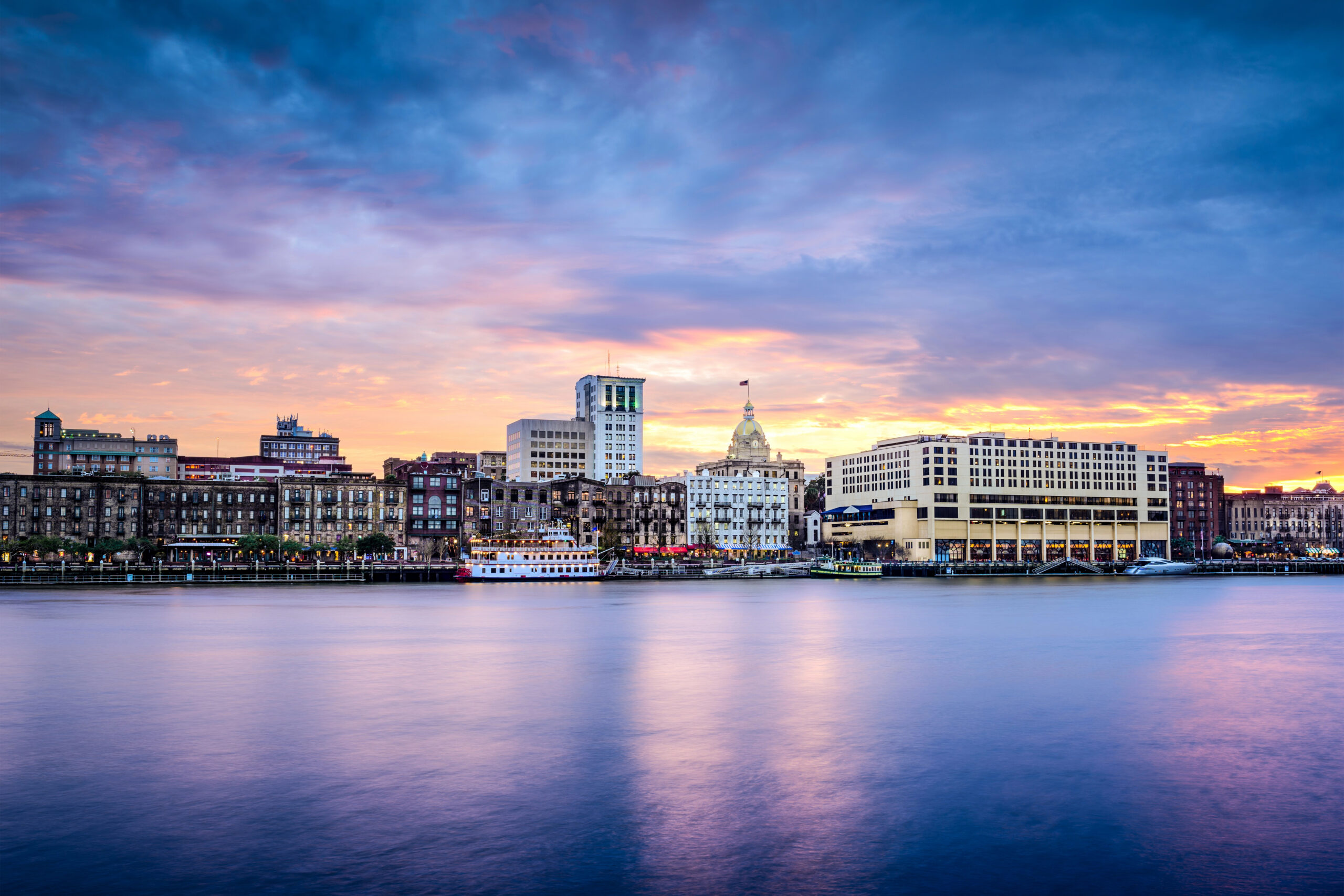
Without a doubt, downtown Savannah offers the most complete experience of the city’s historical charm. From its well-preserved architecture and iconic squares to its museums and landmarks, this neighborhood brings Savannah’s past to life at every turn.
Are you ready to explore Savannah? Each area of this Southern city has a distinct personality shaped by centuries of history, architectural styles, and community spirit. This guide will help you navigate the city’s diverse districts, from the cobblestone streets of downtown to the serene shores of Tybee Island.
What Makes Each Savannah Neighborhood Special?
Savannah’s allure can be traced through its long-standing history. The city’s original design, a thoughtful grid laid out by General James Oglethorpe in 1733, still defines much of its urban landscape. This plan included numerous public squares, creating a highly walkable city that invites exploration. As Savannah grew, different neighborhoods developed to reflect shifts in industry, population, and lifestyle. Some feature grand historic homes, while others boast charming beach cottages. From street to street, the architecture tells a story, and the local rhythm of life varies from one community to the next. Pinpointing the best neighborhoods in Savannah often depends on what you seek from your experience, so let’s take a closer look.
Downtown Savannah: Where History Comes Alive
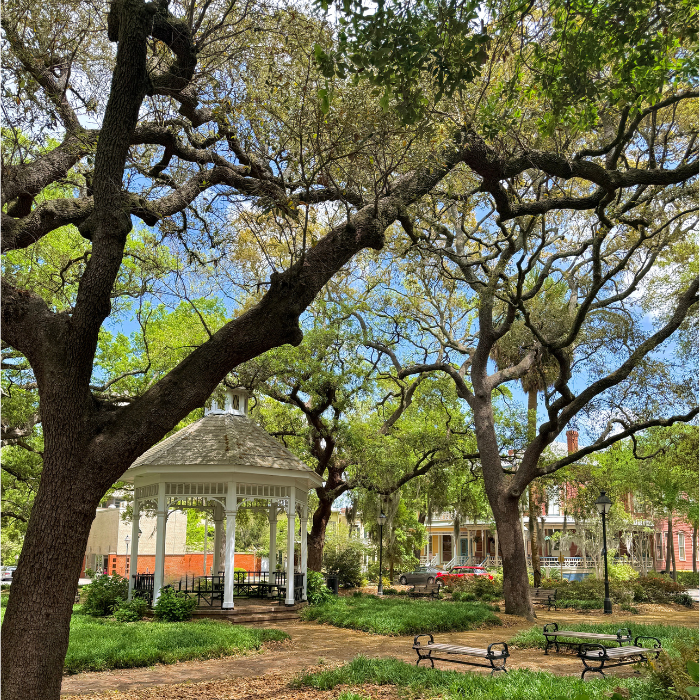
Stepping into downtown Savannah is like entering a living museum. As one of the largest National Historic Landmark districts in the country, its foundation follows the iconic Oglethorpe Plan. This innovative grid, with its central squares, was designed for community gatherings and defense, and these squares remain vital communal focal points today, surrounded by historic homes, churches, and civic buildings.
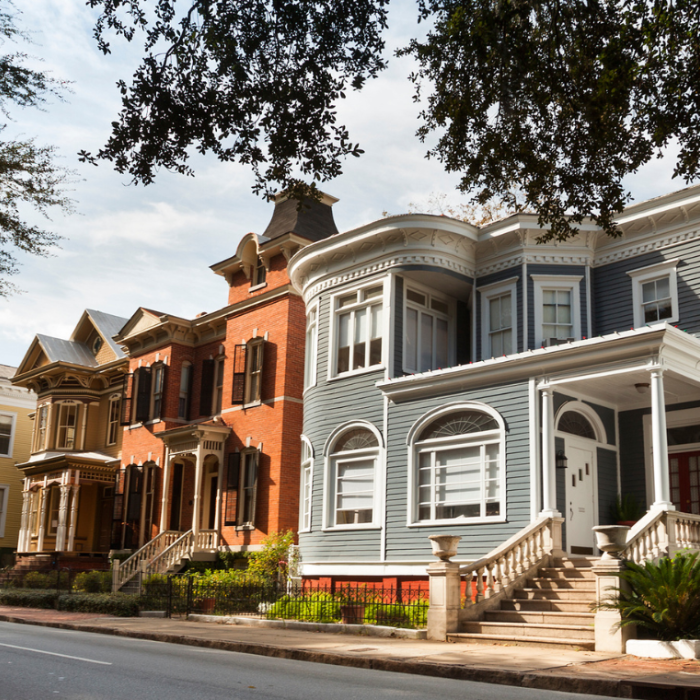
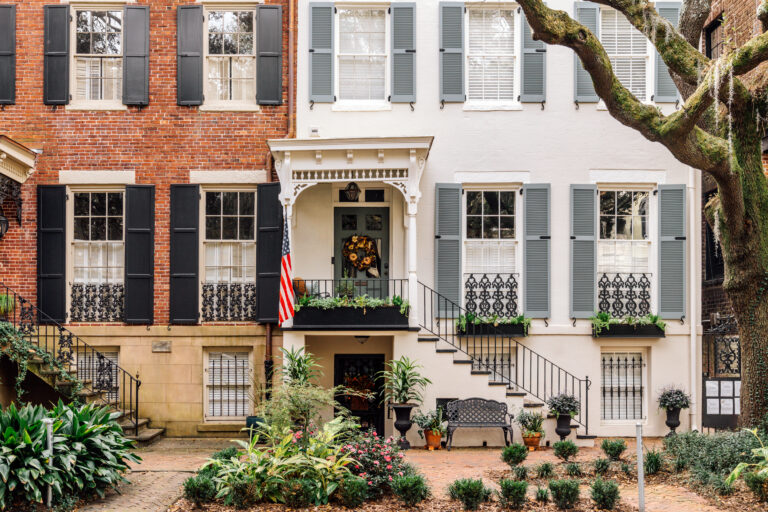
Within downtown, you’ll discover the city’s historic district and the adjacent Victorian district. Here, preserved architecture speaks volumes about eras shaped by the cotton trade, conflicts like the Civil War, and artistic revivals. Stroll through the streets, and you’ll find Greek Revival facades, intricate wrought-iron balconies, and cobblestone lanes that echo the rhythms of past generations. Downtown Savannah is like a functioning blueprint of its 18th-century origin, continually shaping the city’s character and everyday life. Many consider this area to have some of the best neighborhoods in Savannah for historical immersion.
What Can You Do in Downtown Savannah?
For those eager to experience the heart of the city, the options are plentiful:
- Explore Forsyth Park: Walk through this iconic green space, admire the famous fountain, visit the Civil War Memorial, or simply relax at Collins Quarter at Forsyth, the park’s café. The playground offers a spot for families to unwind.
- Tour The Cathedral Basilica of St. John the Baptist: Step inside to view stunning stained glass, hand-painted murals, and vaulted ceilings. Guided tours provide historical context.
- Wander Colonial Park Cemetery: Stroll under moss-covered oaks, view historic graves, and see the monument commemorating the yellow fever epidemic. You can even find the dueling grounds near the cemetery.
- Shop on Broughton Street: Discover local boutiques, great dining options, and coffee shops, as well as vintage shops.
- Indulge at Leopold’s Ice Cream: Stop by this century-old dessert spot for a sweet treat.
- Catch a Show: Experience the magic of live performance at the historic Savannah Theatre.
- Dine Out: Enjoy locally owned restaurants and sidewalk cafés that offer a taste of Southern cuisine.
- Take a Tour: Join a walking tour or a ghost tour from one of the many downtown meetup points to learn about the city’s storied past and spectral residents. Those looking to experience a deeper connection to the paranormal can brave an investigation of 416 W. Liberty Street with the Ghost Hunters of Savannah® Paranormal Investigation.
- Admire Architecture and Art: Take photos of restored facades and iron balconies, and visit museums and galleries all within easy walking distance.
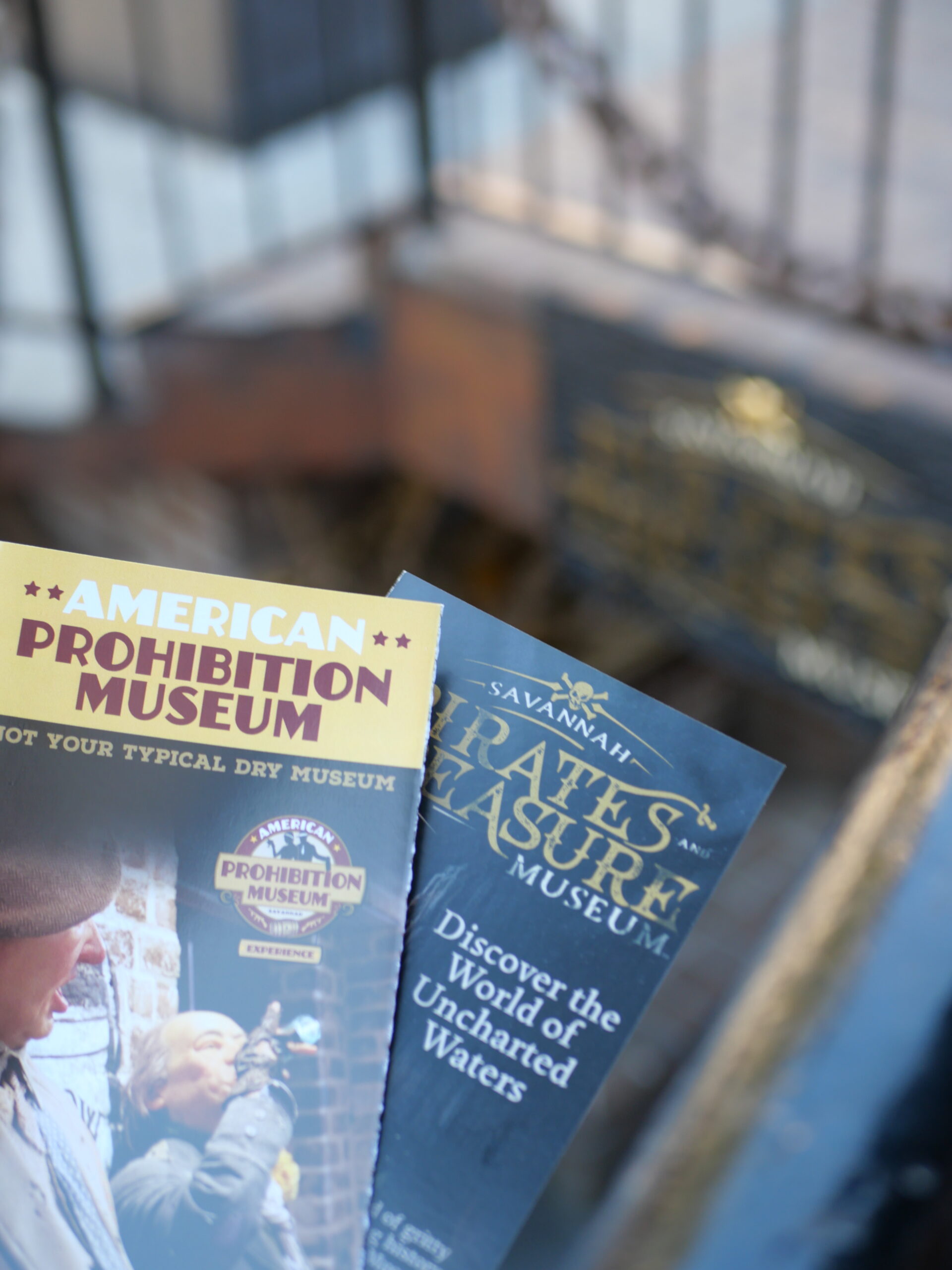
- Visit Premier Museums: The Savannah Pirates and Treasure Museum® and the American Prohibition Museum® are both located in the north historic district, offering fascinating insights into different facets of history.

What Is There to Experience in the Starland District?
Visitors come to the Starland District for its magnetic and eclectic atmosphere, often described as a creative “hipster haven” and a local alternative to the more tourist-centric Historic District. Originally revitalized from an old dairy factory by graduates from the Savannah College of Art and Design, the neighborhood is now a hub for young creatives and is renowned for its vibrant street art and murals, and a place where people go to experience a piece of authentic, contemporary Savannah culture.
- Eclectic Culinary Scene: Common Thread, Flora and Fauna, Brochu’s Family Tradition, Lucia Pasta Bar, Ukiyo, many outdoor eats, and Starland Yard, an expansive food truck park.
- Neighborhood Bars and Dives: Lone Wolf Lounge, Moodright’s, Two Tides Brewing, Water Witch Tiki, The Black Rabbit, The Wormhole, and more.
- Coffeehouses and Breakfast Spots: Foxy Loxy, Big Bon Bodega, Float Coffee, Superbloom, Goody’s, and more.
- The African Art Museum
- Unique Boutique Shopping: Starland Strange, The Vintage Vortex, One for the Road, and more.
Tybee Island: Savannah’s Coastal Escape
Located at the eastern edge of Chatham County, Tybee Island may not be part of Savannah proper, but it would be remiss to leave it off this list. Tybee Island serves as both a geographic and strategic landmark along Georgia’s coast, about an 18-mile drive from downtown Savannah. The island’s name, derived from the Euchee word for “salt,” reflects the natural resources once gathered by Indigenous peoples. European interest arrived by the early 1600s, with French explorers seeking sassafras. In 1736, a 90-foot lighthouse, among the tallest structures in early America, was constructed on Tybee’s north end, guiding ships into one of the South’s key ports.
Tybee’s role in coastal defense became prominent during the War of 1812, housing a signal station. Later, a Martello Tower added further protection. Through the centuries, the island evolved from an outpost to a popular getaway, but its layered past remains visible in surviving military earthworks, colonial-era markers, and the enduring Tybee Island Light Station, which still watches over the Atlantic.
What Can You Do on Tybee Island?
Tybee Island offers a blend of natural beauty and historical exploration:
- Climb the Tybee Island Light Station: Reach the top of Georgia’s tallest and oldest lighthouse for panoramic views of the Atlantic coast and marshlands.
- Tour the Lighthouse Museum and Grounds: Walk through the 1902 keeper’s cottage and view exhibits documenting maritime life and restoration efforts.
- Visit the Tybee Beach Pier & Pavilion: Walk along the pier, a popular spot for fishing, watching surfers, or enjoying the sea breeze.
- Fish Along the Shore or Pier: Cast a line for species like whiting and flounder, with early morning and sunset hours often yielding the best catch.
- Walk or Bike the Beachfront: The shoreline stretches for miles, perfect for long walks, seashell hunting, and bike rides.
- Step into Fort Pulaski National Monument: Explore one of the best-preserved coastal forts from the Civil War era, complete with drawbridges, moats, and artillery corridors.
- Hike the Trails on Cockspur Island: Trek along paths through marshes and live oaks, with markers pointing to historic batteries and scenic overlooks.
- Join a Kayaking or Paddleboarding Excursion: Paddle the calm inlets and tidal creeks for a closer look at birdlife and salt marshes.
- Attend Seasonal Events or Lantern Tours: Fort Pulaski hosts special events, including candlelit tours and living history programs, offering a rare view of the site after dark. Keep an eye out for the Tybee Island Pirate Festival in early October as well!
- Browse Local Shops and Cafés: Discover souvenirs, beachwear, and fresh seafood near the pier and along Butler Avenue.
- Live Entertainment: Experience the Tybee Post Theater and the island’s music festival.

Skidaway Island: Nature’s Retreat in Savannah
Skidaway Island, located a bit of a drive southeast of downtown Savannah, holds a rich history shaped by Indigenous heritage and colonial settlement. Its name is believed to originate from the Muscogee language, possibly referencing Senauki, the wife of Yamacraw Chief Tomochichi. Before European arrival, Native American groups used the island’s tidal creeks and maritime forests for sustenance. By the early 18th century, Skidaway became part of colonial Georgia’s coastal defense, valued for its strategic position.
During the 19th century, the island shifted toward agriculture, with plantation estates growing cotton and rice. The Civil War brought an end to the plantation labor systems, leading to years of low development. In the 20th century, interest revived with residential development and scientific research. Today, it’s home to Skidaway Island State Park and the University of Georgia’s Skidaway Institute of Oceanography, offering glimpses into the island’s ecological and cultural past.
What Can You Do on Skidaway Island?
Skidaway Island is perfect for nature lovers and those seeking tranquility:
- Walk Nature Trails: Explore the trails at Skidaway Island State Park.
- Climb the Observation Tower: Enjoy panoramic views of the marshland.
- Visit the Interpretive Center: Learn about local wildlife through exhibits.
- Camp: Spend a night beneath live oaks in designated park campgrounds.
- Bird-Watch: Look for wading birds along the salt flats.
- Explore the UGA Marine Education Center and Aquarium: View loggerhead turtles, horseshoe crabs, and reef fish, and learn about Georgia’s coastal ecosystem.
- Visit the Pin Point Heritage Museum: Watch oral history presentations about this unique Gullah Geechee community.
- Launch a Kayak or Canoe: Access the water from Butterbean Beach.
- Fish From the Pier: Cast a line along the Moon River.
- Relax by the Shoreline: Sit under the gazebo, watch for local wildlife, or enjoy a picnic.
- Dolphin Spotting: Look out for dolphins near the boat ramp.
- Photography: Capture stunning marsh views during sunrise or sunset.
- Hiking: Use the park as a base for short day hikes.
Isle of Hope: A Historic Riverside Haven
Isle of Hope began as a seasonal retreat in the 1800s, offering Savannah residents relief from summer heat and urban conditions. Its riverside setting, shaded by live oaks, made it a practical refuge from the city’s frequent outbreaks of disease. Small cottages soon created a quiet community along the Skidaway River.
Growth accelerated after 1871, when the Savannah-Skidaway and Seaboard Railroad extended service to the island, encouraging permanent settlement. The Isle of Hope United Methodist Church, dating to the Civil War era, still stands as a reminder of early development. While largely residential today, its preserved architecture and coastal views offer insight into how leisure and practicality shaped the outskirts of Savannah during the 19th century. Many would agree that this is one of the best neighborhoods in Savannah for serene beauty.
What Can You Do at Isle of Hope?
Discover the charm and history of Isle of Hope:
- Walk Wormsloe State Historic Site: Stroll down the iconic oak-lined drive.
- Tour the Museum at Wormsloe: Learn about the colonial past.
- Experience Colonial Life Demonstrations: Witness living history at Wormsloe.
- Hike Nature Trails: Explore forests and marshes.
- Dine at Driftaway Cafe: Enjoy a meal in a relaxed setting.
- Browse Local Art: See rotating displays of local art.
- Cycle or Drive: Explore the quiet residential lanes.
Southside: Savannah’s Expanding Landscape
Southside Savannah developed gradually through the mid-20th century, growing outward from the city’s historic core. What began as farmland and pine forest transformed in the 1960s and 1970s as new subdivisions and commercial corridors took shape. The postwar boom brought modest brick ranch homes, schools, and shopping centers. Over the decades, this area became a reflection of Savannah’s expanding population, blending newer neighborhoods with older sections that retain midcentury character.
Key institutions have anchored Southside’s development. Hunter Army Airfield, constructed during World War II, remains an active military installation, contributing to the area’s identity and economy. Nearby, the former Armstrong Atlantic State University (now part of Georgia Southern) brought educational growth. A historic Carmelite monastery near the waterfront provides a quiet reminder of the area’s spiritual and architectural depth. Together, these elements offer visitors a layered view of a community shaped by progress, tradition, and daily life beyond the city’s downtown squares. For modern conveniences and local life, this is one of the best neighborhoods in Savannah to consider.
What Can You Do in Southside?
Southside offers a mix of local entertainment and relaxation:
-
- Watch a Game: Join locals at B&D Burgers, a relaxed spot with big-screen TVs for catching sports action.
- Play Golf: Enjoy a round at Bacon Park Golf Course, a 27-hole course with a classic design.
- Improve Your Swing: Practice at Danny Jones Golf Learning Center, using modern equipment and practice greens.
- Browse the Pro Shop: Visit the Bacon Park Pro Shop for equipment, apparel, and local golf merchandise.
- Browse the Savannah Botanical Gardens: Explore a mix of native and ornamental plants, walking trails, and a historical farmhouse.
- Enjoy a Marshside Meal at The Wyld.
- Visit the Giant Globe.
Midtown Savannah: A Chapter of 20th-Century Growth
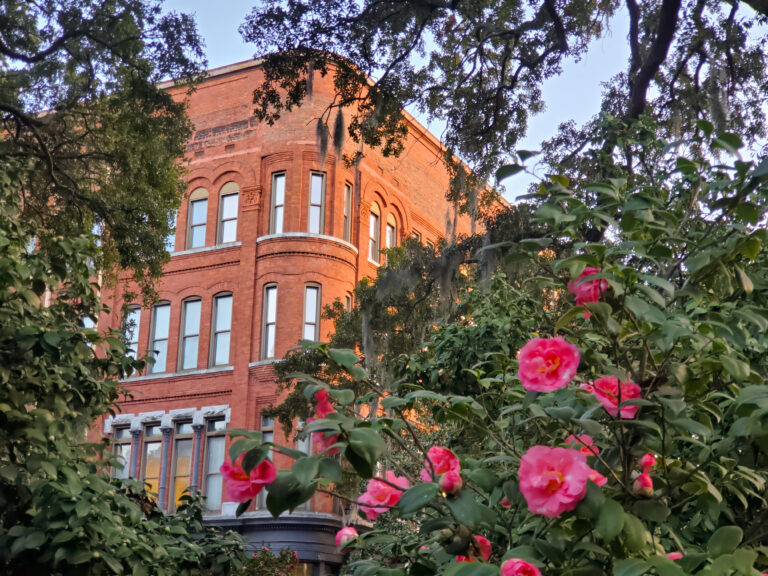
Midtown Savannah reflects a different chapter of the city’s past — one shaped by 20th-century growth and community planning. Just south of the historic squares, this area began to form as the city expanded beyond its colonial roots. Ardsley Park, one of the city’s earliest planned suburbs, was established in the early 1900s. Its layout, with wide streets and central medians, was designed with automobiles in mind, marking a shift in how neighborhoods were built.
Nearby Parkside, developed shortly after in 1916, grew alongside Daffin Park, which served as a centerpiece for recreation and neighborhood identity. Craftsman bungalows, brick cottages, and other early 20th-century homes still define the character of these streets. Midtown’s layered history can be seen not only in its architecture but also in the way its neighborhoods developed to support families, schools, and public spaces during Savannah’s years of rapid residential expansion. If you are looking for charming residential areas, these are some of the best neighborhoods in Savannah.
What Can You Do in Midtown Savannah?
Midtown combines historical architecture with vibrant community spaces:
- Spend Time at Daffin Park: Enjoy a walk around the central lake, let kids play on the playground or take photos at the World War I Memorial.
- Catch a Baseball Game: Experience a fun night out at Grayson Stadium, home to The Savannah Bananas.
When Are You Visiting Savannah?
Savannah is a city of remarkable variety crafted by centuries of history. You are just a visit away from picturesque landscapes, vibrant local culture, and exploring the best neighborhoods in Savannah.
FAQs
For families, Tybee Island is an excellent choice due to its beaches, lighthouse, and family-friendly activities like Fort Pulaski. Skidaway Island, with its state park and marine education center, also offers wonderful outdoor opportunities for all ages. Within the city proper, areas like Midtown Savannah (specifically around Daffin Park) offer green spaces and a community feel.
While not exactly “hidden,” Isle of Hope provides a quieter, charming escape with beautiful oak-lined streets and historic waterfront views, offering a different perspective than the bustling downtown. Similarly, Skidaway Island is a fantastic choice for those seeking natural beauty and outdoor activities away from the main tourist areas.